


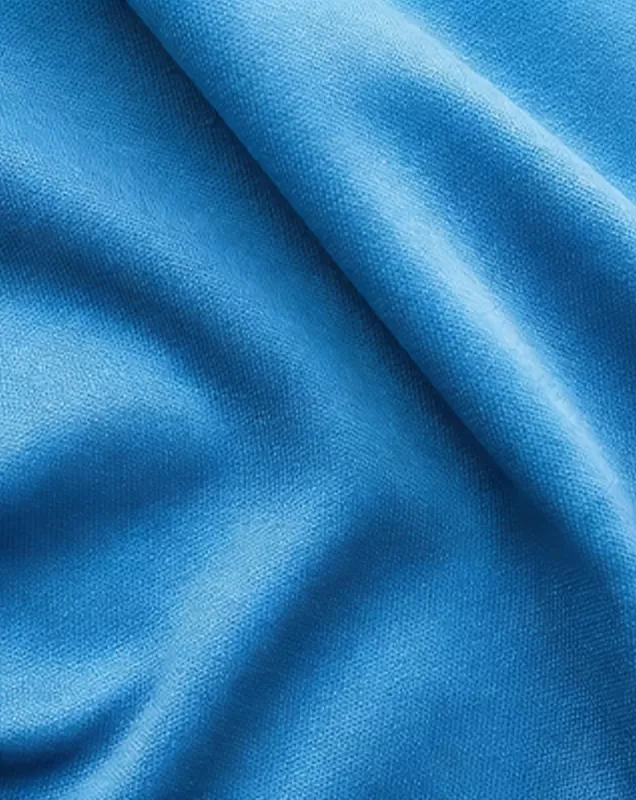
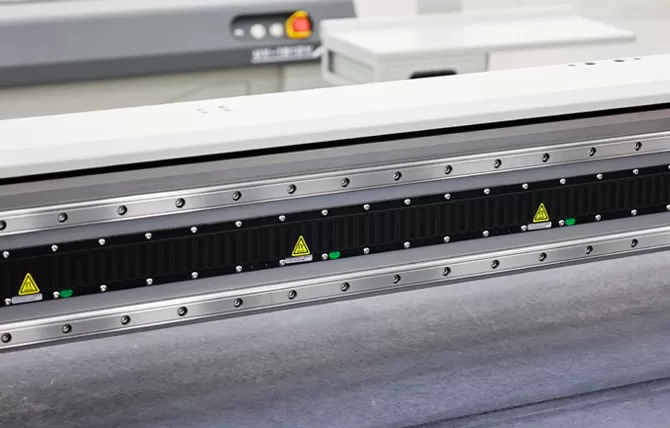
White ink base ensures vivid colors on light and dark garments;
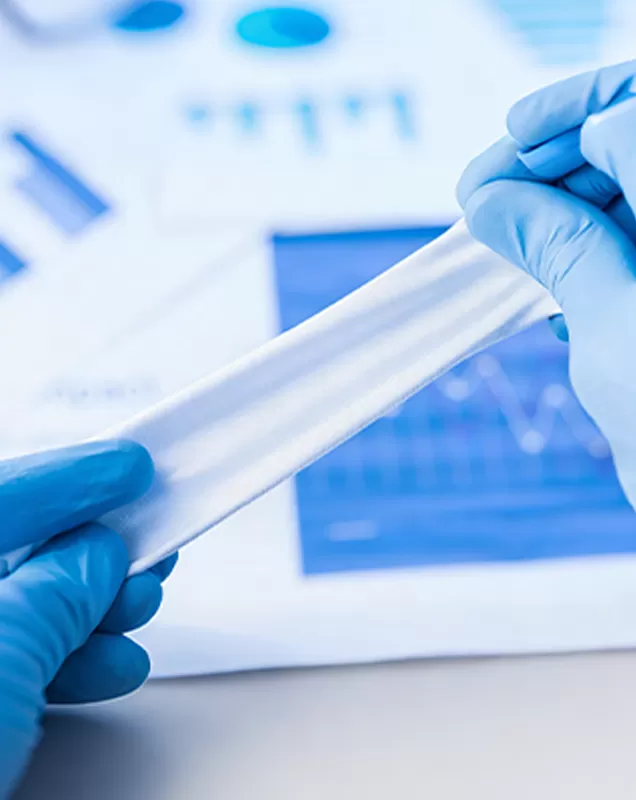
Flexible ink film maintains elasticity during wear;
Strong adhesion prevents peeling or cracking;
No fabric pretreatment simplifies production.


For those searching for a uv printer for t shirts, it is important to understand that while you can physically print on a T-shirt using a UV printer, it is not recommended for professional apparel production. For T-shirts, DTF (Direct to Film) printing is the industry standard because it offers superior stretchability, a softer hand-feel, and better breathability compared to UV printing.
The core difference lies in the ink chemistry and application:
UV Printing: Best for industrial textiles like canvas, heavy upholstery, and synthetic leather. It provides high-resolution, tactile "3D" effects but can crack when stretched.
DTF Printing: Specifically engineered for garments. It uses flexible pigment inks and a TPU adhesive powder, allowing the design to stretch and move with the fabric without peeling or cracking.
Yes. High-quality DTF prints, such as those produced by Mest printers, are rated for Grade 4.5+ wash fastness. This means they can withstand over 60 industrial wash cycles at 60°C without significant fading or degradation, making them more durable for daily-wear clothing than traditional UV or DIY inkjet methods.
One of the biggest advantages of DTF is its versatility. Unlike Sublimation (which requires high polyester content), DTF works perfectly on:
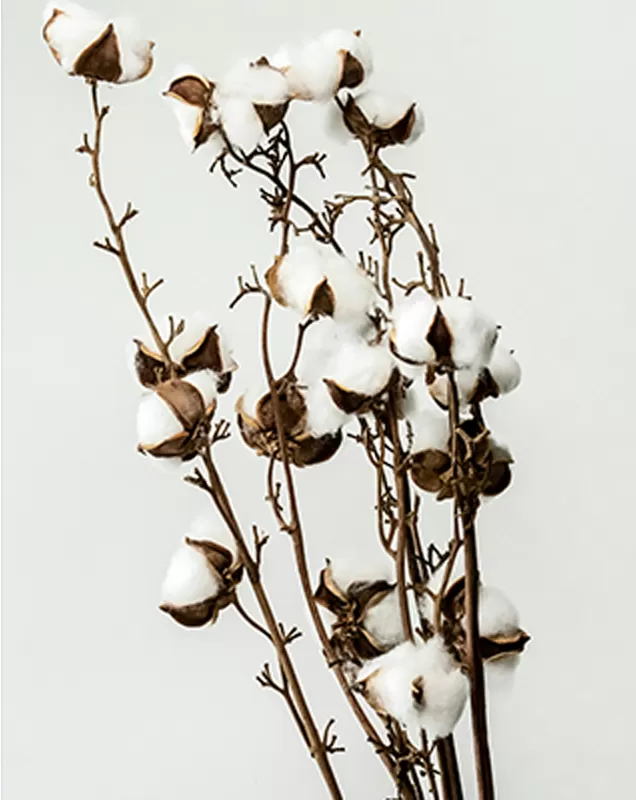
100% Cotton (Light and Dark)
Polyester & Spandex (High-stretch performance wear)
Blended Fabrics (Cotton-poly blends)
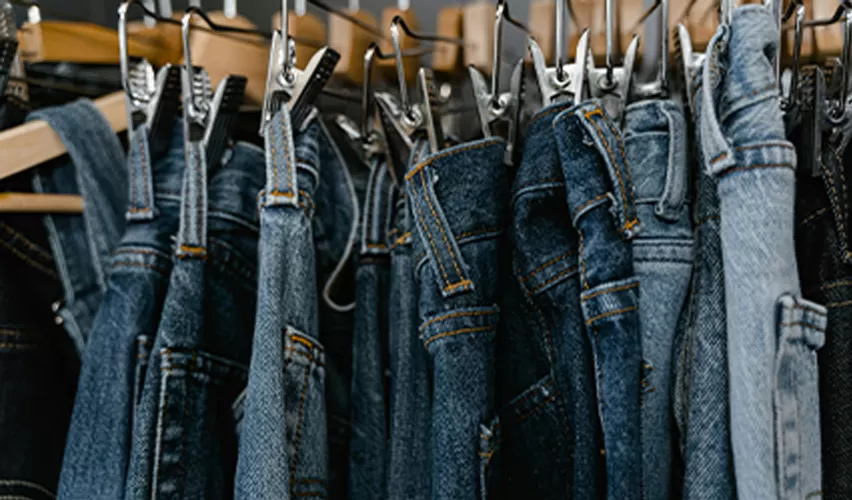
Denim, Canvas, and Nylon
No. Unlike DTG (Direct to Garment) printing, DTF requires zero pre-treatment. You simply print on the film, apply the powder, and heat press. This significantly reduces labor costs and eliminates the risk of "pretreatment stains" on your finished apparel.
| Feature | DTF Printing (Mest) | DTG (Direct to Garment) | Screen Printing |
| Material Support | Cotton, Polyester, Blends, Nylon | Primarily Cotton (High %) | Most Fabrics |
| Pre-treatment | None Required | Mandatory for Dark Fabrics | Required (Emulsion/Screen) |
| Color Vibrancy | High (Vivid White Base) | Moderate (Absorbed by fabric) | High (Solid Inks) |
| Stretchability | Excellent (Film-based) | Moderate | Low to Moderate |
| Setup Time | < 5 Minutes | < 10 Minutes | High (Hours for screens) |
| Best For | On-demand & Small-batch | Single custom units | Bulk Production (500+) |
| Business Value | Low waste, high flexibility | High machine maintenance | High labor cost |
Expert Insight for Apparel Manufacturers:
Unlike traditional UV printing which can be brittle on soft textiles, Mest's DTF (Direct to Film) technology utilizes a specialized thermoplastic powder and flexible pigment ink. This creates a "breathable" and high-stretch bond that withstands over 60 industrial wash cycles. For businesses transitioning from Screen Printing to digital, DTF eliminates 90% of the setup time while maintaining the same color density on dark polyester and blended fabrics.
While UV fabric printing is a growing trend, it’s essential to understand that not all "textile printing" is created equal. Depending on your project—whether it's high-fashion apparel or industrial canvas—the technology you choose defines the durability and feel of the final product.
When to Choose UV Printing on Fabric?
UV printing (Ultra-Violet LED) uses specialized inks that are cured instantly by UV light. This method is exceptionally effective for:
Non-Porous & Rigid Textiles: Best for UV printed fabric applications such as canvas wall art, outdoor umbrellas, and heavy-duty upholstery.High Resolution: Delivers crisp, photographic quality on textured surfaces.
Tactile Effects: Capable of creating "3D" or embossed textures that you can feel.
Why DTF is Superior for Apparel & Wearables
For those searching for UV printers for T-shirts, DTF (Direct to Film) is often the more practical and high-performance alternative. Here’s why:
Soft Hand-Feel: Unlike UV ink, which can feel stiff or "plastic-like" on soft cloth, DTF transfers are incredibly thin and flexible, maintaining the natural drape of the garment.
Extreme Stretchability: DTF ink is designed to stretch with the fabric (like Lycra or Spandex) without cracking or peeling—a common limitation of standard UV applications on apparel.
Superior Wash Fastness: DTF ensures the design remains vivid through 60+ industrial washes, whereas UV ink on soft garments may degrade faster due to mechanical stress during washing.
Breathability: DTF applications allow for better air permeability, making them ideal for sportswear and everyday fashion.
The best printing method depends on the fabric, finished product and required production process. UV, DTF and DTG printing are designed for different applications and should not be treated as interchangeable technologies.
Choose DTF Printing for
T-shirts, hoodies and uniforms
Cotton, polyester and blended fabrics
Sportswear and stretchable garments
Fabric bags and small-batch custom apparel
Designs that need flexibility and wash resistance
DTF is a practical choice for businesses printing multiple fabric types, including both light and dark garments.
Choose DTG Printing for
Finished cotton garments
Detailed artwork and photographic designs
Short production runs
Personalized T-shirts and fashion products
Direct-to-garment printing without transfer film
DTG is generally better suited to cotton-rich garments and businesses that require a direct printing workflow.
View the MEST-DTG4050II DTG Printer
Consider UV Printing for
Coated or non-stretch textile surfaces
Decorative canvas and synthetic leather
Textile-covered rigid products
Raised ink, white ink or varnish effects
Materials that will not be frequently stretched or washed
UV printing should be tested before production because adhesion, flexibility and durability vary according to the fabric coating and intended use.
| Printing Requirement | Recommended Method |
| Flexible and washable apparel | DTF |
| Direct printing on cotton garments | DTG |
| Polyester, blends and sportswear | DTF |
| Decorative coated textile surfaces | UV printing |
| Raised or varnished visual effects | UV printing |
For businesses considering UV printing on clothes, DTF or DTG is usually the safer choice for wearable garments. UV printing is more suitable for specialized decorative textile applications where flexibility and frequent washing are not the main requirements.
Our engineers will provide a tailored quote and technical analysis for your production line within 24 hours.
Free Sample Printing & Testing
Factory Direct Pricing & Support
Global Fast Delivery
100% Data Privacy Protected


