
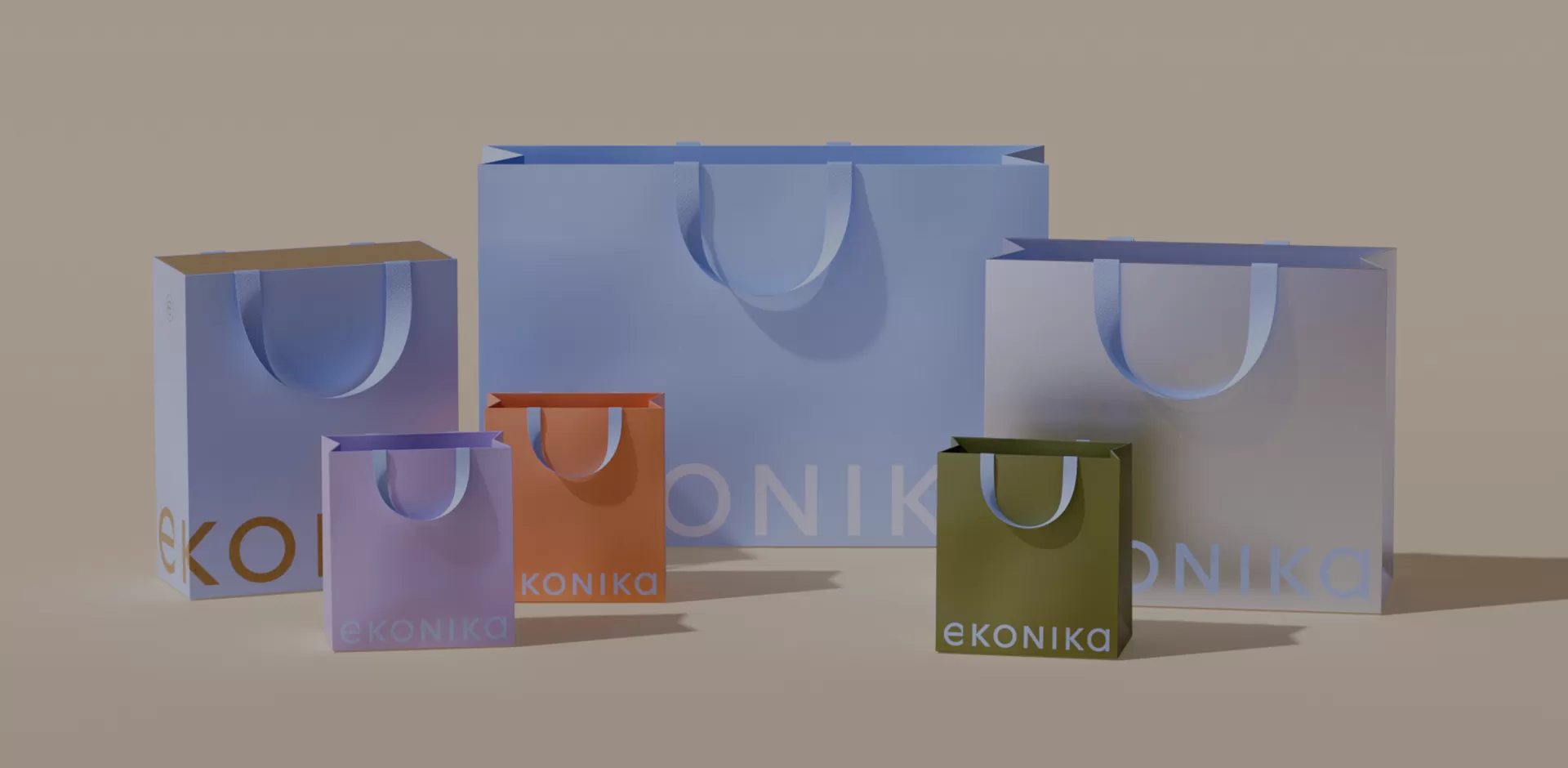


Non-woven bags are more than just bags; they are a symbol of sustainability and conscientious living. These eco-friendly alternatives are now readily available in grocery and retail stores, revolutionizing the way we shop and promoting responsible consumption. Non-woven bags have become a top choice for eco-conscious consumers due to their durability, versatility, and long-lasting durability. Beyond their environmental benefits, non-woven bags are an excellent vehicle for branding, allowing businesses to personalize them with logos, graphics, event themes, and more. UV inkjet printers excel at decorating non-woven bags across a wide range of industries. Single-pass UV printers professionally digitally decorate non-woven bags with UV inks that cure instantly, allowing for immediate stacking and packaging. Print your logo on the outside of non-woven bags for a lasting impression. Whether it’s a bold, bright design or a more subtle expression, incorporating your logo can enhance brand visibility and recognition.
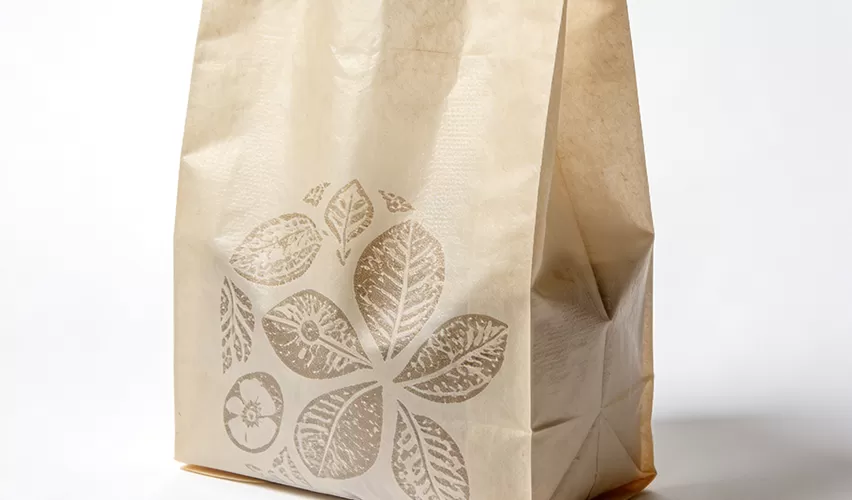
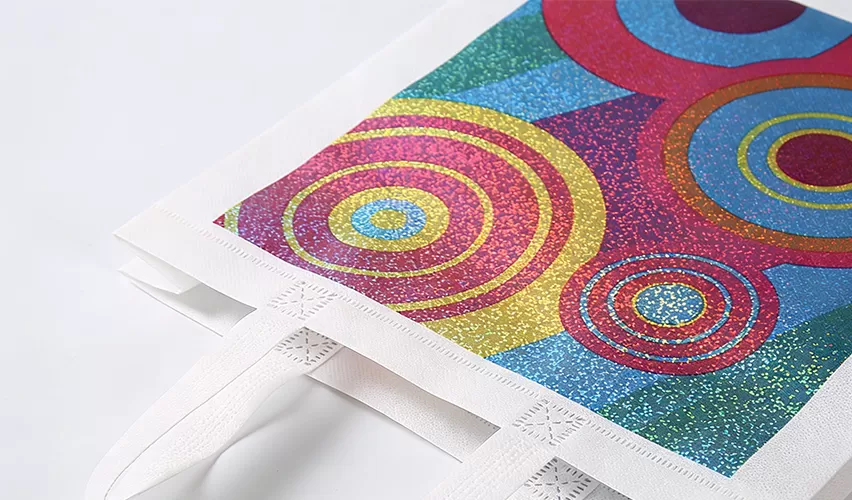
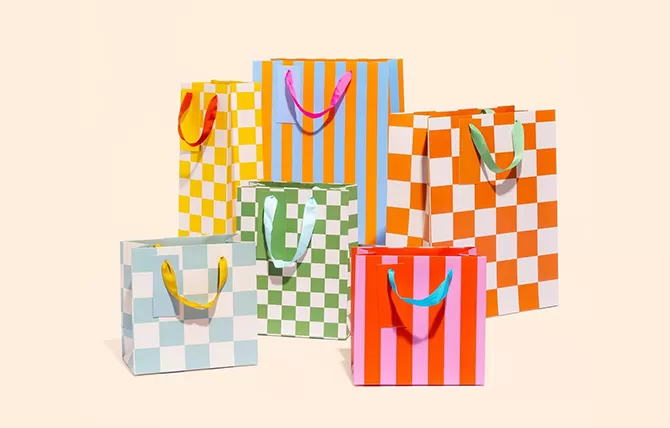
Today’s consumers prioritize sustainability, and UV printing aligns perfectly with eco-friendly business practices. Unlike solvent-based printing, UV printing does not emit volatile organic compounds (VOCs), significantly reducing air pollution. This technology also eliminates the need for harmful chemicals and consumes minimal energy, minimizing our carbon footprint. For businesses creating customized sustainable products, a printer for personalised gifts can also provide an efficient solution for producing unique designs on biodegradable packaging bags and other promotional items.
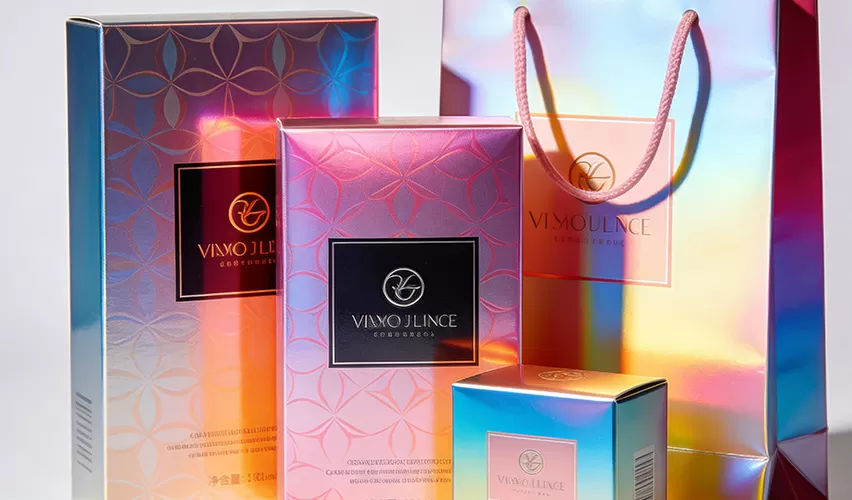
By 2025, the global cosmetics packaging and printing market is expected to exceed $100 billion, of which digital printing will account for 20%. UV technology is expected to become the core driving force for this growth due to its environmental friendliness, flexibility and innovation potential. With the rapid development of the cosmetics market and the continuous upgrading of consumer demand, UV printing technology is creating a technological revolution in the field of cosmetics packaging due to its advantages of high efficiency, environmental protection and personalization. In the future, with the integration of biodegradable materials, 3D printing and AR interactive technology, UV printing of cosmetics packaging will not only be limited to decorative functions, but may also become an intelligent medium for brands to communicate with consumers.
The shape of the product determines how it should be positioned and moved during printing. Choosing the correct UV printer helps improve registration accuracy, production efficiency and print consistency.
| Product Shape | Recommended Printer | Typical Gift Products |
| Flat and rigid | UV Flatbed Printer | Acrylic stands, phone cases, wooden plaques, medals and photo blocks |
| Cylindrical or tapered | UV Rotary Printer | Bottles, tumblers, cups, jars, tubes and pens |
| Curved or irregular | UV DTF Printer | Helmets, gift boxes, electronic accessories and finished promotional products |
| Continuous flat products | UV Conveyor Printer | Fridge magnets, PVC cards, acrylic pieces and decorative panels |
Flat and Rigid Gift Products
A UV flatbed printer is suitable for products that can be placed securely on a flat printing platform. It can print directly onto acrylic, wood, metal, glass, plastic and other rigid materials, with optional white ink, varnish and raised effects.
Bottles, Cups and Cylindrical Gifts
Choose a UV rotary printer when the design needs to wrap around bottles, tumblers, jars, tubes or other cylindrical products. The rotary system turns the product during printing to maintain image alignment around the surface.
Curved and Irregular Finished Products
A UV DTF printer is useful when the product cannot be positioned easily on a flatbed fixture. The design is printed onto transfer film and then applied to curved, uneven or difficult-to-hold surfaces.
UV printed gifts can be produced on many rigid and coated materials, but adhesion should be tested before mass production.
| Material | Typical Gift Products | Key Consideration |
| Acrylic | Photo blocks, stands, keychains | White ink for transparent surfaces |
| Plastic | Phone cases, cards, accessories | Surface adhesion and pretreatment |
| Wood | Plaques, frames, ornaments | Texture and absorbency |
| Metal | Medals, tags, nameplates | Coating and surface finish |
| Glass and Ceramic | Jars, tiles, decorative gifts | Cleaning, primer and scratch resistance |
The final printer choice should also consider the product shape, size, required print effect and expected production volume.
The right printer depends on the product shape. UV flatbed printers suit flat rigid gifts, rotary printers suit bottles and cups, while UV DTF printers are useful for curved or irregular products.
UV printers can print on many acrylic, wood, metal, glass, plastic, ceramic and coated surfaces. Actual ink adhesion depends on the material and surface treatment, so sample testing is recommended.
Yes. Digital UV printing supports photographs, names, logos, serial numbers and variable designs without preparing separate printing plates.
A UV rotary printer is generally more suitable because it rotates the product during printing and can produce continuous graphics around cylindrical surfaces.
UV DTF is useful when the finished product is curved, irregular or difficult to hold on a flatbed fixture. The design is printed onto transfer film and then applied to the product surface.
A UV flatbed printer can cover many flat products, but bottles, irregular objects and high-volume mixed items may require rotary, UV DTF or visual positioning equipment.
Our engineers will provide a tailored quote and technical analysis for your production line within 24 hours.
Free Sample Printing & Testing
Factory Direct Pricing & Support
Global Fast Delivery
100% Data Privacy Protected


